BLOG
Why Reassurance Matters More Than Status in Today’s Premium and Luxury Market
Seven insights from our latest Consumer Generation research.
Luxury in Germany is becoming less about dreaming big and more about feeling safe. After years of economic instability, global conflict, and social strain, German consumers are recalibrating what “luxury” really means.
These insights come from Prophet’s latest Consumer Generation Premium and Luxury Study, based on a survey of 1,000 German consumers spanning Gen Z through Baby Boomers. First launched in 2018 and now conducted for the fifth time, the research explores shared patterns and generational differences across values, luxury perceptions, brand and product expectations, buyer journeys, purchasing behavior (including AI), and, of course, the implications for business.
Since we began studying this market, the shift has become unmistakable. What once centered on material ambition has steadily given way, across generations, to a desire for reassurance. In 2026, stability now outweighs status and upward mobility, with financial independence, relationships, and health defining what premium truly means.
One explanation is that in an era of heightened uncertainty, consumers are retreating toward what they can physically own, control, and secure.
According to Jörg Meurer, Partner at Prophet, “The current data is heavily influenced by a “poly-crisis” environment, including economic uncertainty, global conflict and political instability. These macro-factors are now directly reflected in consumer sentiment and core values.”
This shift is most visible among Millennials. Once seen as the generation driving cultural and economic change, they now show broad fatigue. Nearly every value and life priority dimension has weakened, suggesting mounting pressure, overload, and disillusionment rather than confidence or momentum.
Gen Z shows a different but equally telling shift, stepping back from activism and traditional success. While their core idealism remains intact, many feel caught between strong values and a growing sense of powerlessness to effect real change in an increasingly volatile world. Instead, more are turning inward, placing greater emphasis on personal meaning and belief systems, including religion. This signals a move from trying to change the world to trying to understand it.
Baby Boomers, by contrast, remain the most stable cohort. They continue to value heritage brands, high‑end service, and familiar luxury codes, while maintaining relatively strong environmental and sustainability beliefs. In a volatile environment, they are the segment most anchored in continuity.
While luxury brands still attract consumers, loyalty is weakening. Across generations, brands remain important reference points, yet only Baby Boomers stay truly loyal. Buyers are more selective and cautious: quality, durability, functionality, design, and great service still matter, but expectations are lower than in the past.
At the same time, premium customers are questioning price markups for image and emotion, becoming more price‑sensitive. Interestingly, visible logos and statement luxury are making a comeback, with fewer purchases being made, but each one obviously carrying more symbolic weight.
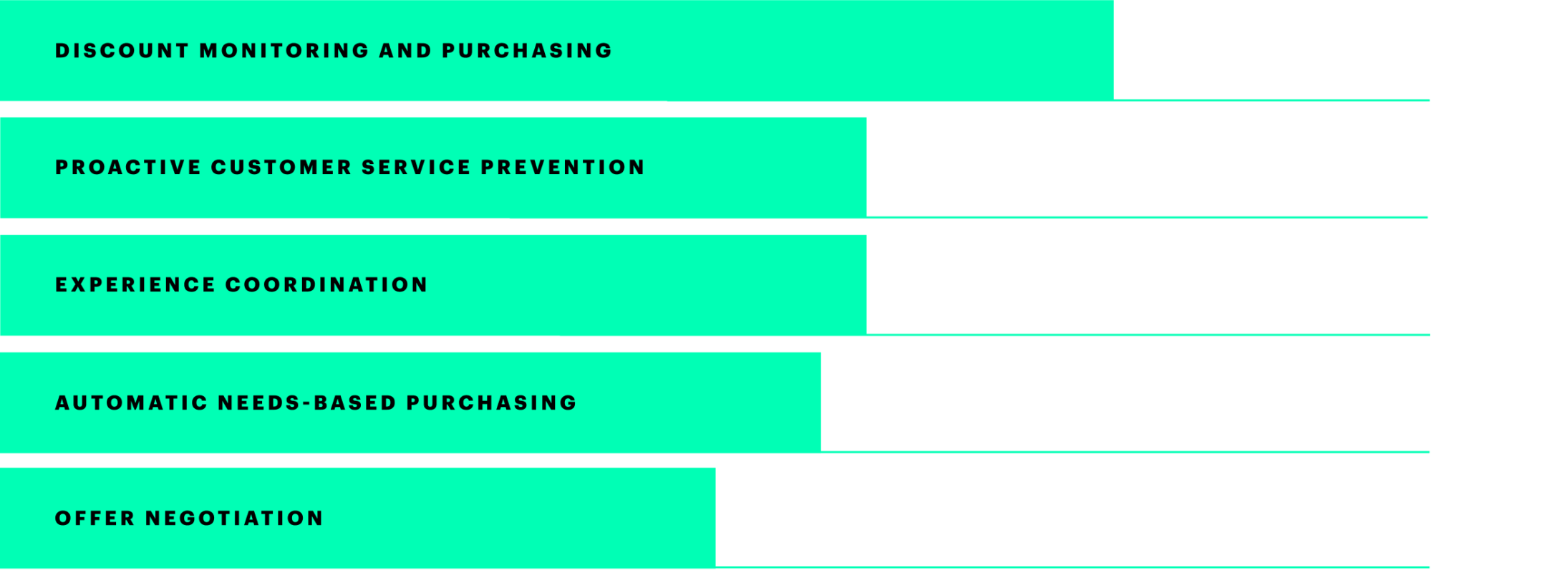
According to Meurer, “As expected, AI is transforming every stage of the luxury buying journey and is not just a “youth play” but also widely adopted by older generations, such as the growing willingness across all generations to let AI agents make purchasing decisions.”
For brands at the premium end of the market, there are profound implications with regard to brand management and their go-to-market strategy.
- Reassurance beats aspiration: Consumers aren’t looking to be dazzled. They want brands they can trust, that feel stable, clear, and genuinely useful.
- No one‑size‑fits‑all consumer: Growth requires sharper segmentation: Gen Z seeks purpose and agency, Millennials want convenience and relief, and Boomers value recognition and reliability.
- Brands must prove relevance, not just heritage: Brand equity still matters, but history alone doesn’t sell. Luxury brands must turn their promise into clear performance, problem‑solving, and everyday relevance.
- Practical value defines modern luxury: Convenience, wellbeing, and service now drive premium appeal. Saving time, reducing complexity, and delivering comfort through high‑touch (often AI‑enabled) service increasingly shape buying decisions.
- Technology must be useful and credible: Consumers expect tech to solve real problems, not just impress with innovation.
- Convenience is the new luxury – wellbeing is the business: Convenience-led products and services that save time and reduce complexity, while enhancing physical and emotional wellbeing, are becoming the defining expression of luxury for a new generation of consumers.
- The same logic applies to employer brands: In a climate of crisis fatigue, employer attractiveness is increasingly defined by stability, purpose, development opportunities, and psychological safety. Reassurance a core value proposition not only for customers, but for talent as well.
Request a copy of the full report.



Don’t Miss a Beat
Sign up to receive our latest insights.