BLOG

The Missing Secret to M&A Success: Organizational Culture 

5 cultural pitfalls to avoid in pursuit of maximum M&A value.

Despite economic uncertainty and a slower rate of deals, organizations will continue to utilize mergers and acquisitions (M&A) to grow, diversify, penetrate new markets and develop new capabilities.   

M&A events represent a unique opportunity to transform a business, externally and internally. Externally, it can serve as an opportunity to enhance reputation, deliver on emerging or underserved needs and increase market share. Internally, it serves as an opportunity to drive lasting cultural change and inspire renewed purpose within the evolved organization.   

There’s a lot written about mergers failing because of culture. Unfortunately, most organizations are not using company culture effectively or systematically to maximize value and minimize risk in their deals. Organizations and deal team’s care. But it’s not a significant part of the integration playbook and doesn’t receive the required attention to make it accretive to the deal.  

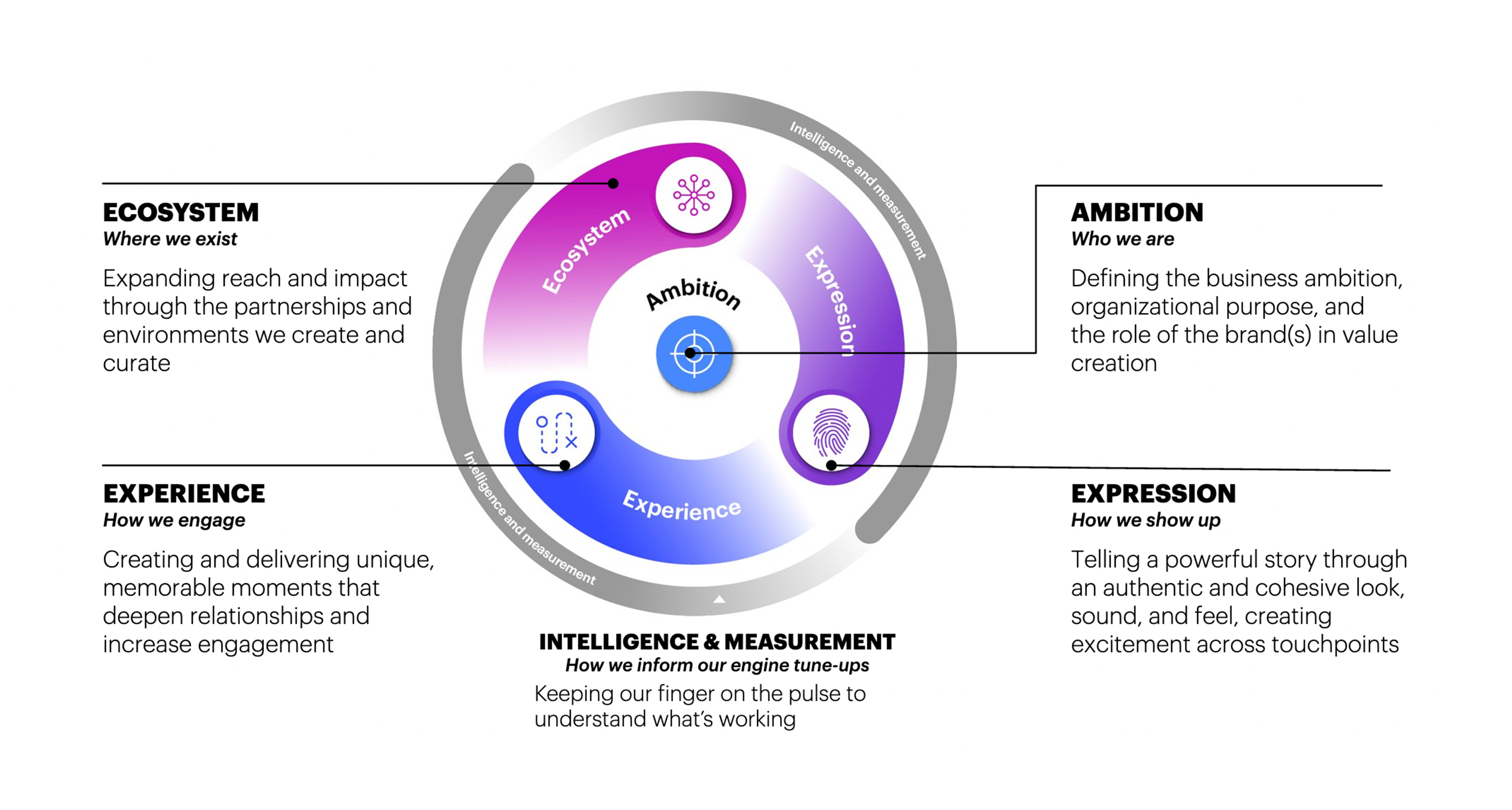
At Prophet, we view culture as a hidden asset in determining the success of an M&A deal. Yet, culture is integral to the success of an organization. As organizations become more digitized and automated, people change businesses, which is why we have developed the Human-Centered Transformation Model. Our Human-Centered Transformation Model provides an easy and accessible, holistic lens for unpacking complexities and highlighting and understanding specific components to address cultural integration.  

With this framework in mind, here are five common cultural pitfalls many companies face during M&As and actionable insights on how you can turn the tide and achieve maximized return on your investment.   

1. Not Applying the Same Rigor to Cultural Analysis as to Deal Economics  

M&A teams pride themselves on meticulous due diligence. They dig into every financial, legal and operational element they can find. But they are often under-equipped for systematic analysis of the culture of the company they are acquiring. Nor do they detail the pathway to cultural integration in the same way that they would for the financial and legal elements to prove the viability and value of the deal.  

To overcome this challenge, M&A deal teams must determine cultural similarities and differences between the two organizations before finalizing the deal. To help our clients do the proper cultural due diligence, we build this critical cultural analysis and integration process into our transformation and integration playbooks. Gathering cultural data pre-deal reduces risks and speeds up integration by informing the strengths and differences between companies.   

It’s critical to find common ground to build on. Identify the bright spots that should be preserved due to intrinsic or financial value. It is also an opportunity to anticipate friction and allocate resources to support rapid integration.  

2. Lack of Transparency and Intention About Strategic Cultural Choices  

In most merger situations, leaders don’t clearly articulate the type of culture required to make the integration and future NewCo growth strategy successful.   

However, being honest and upfront about the cultural preferences that best support strategy, brand and integration strategy will begin the merger on a solid foundation and earn the trust of both sets of employees.   

Whether there is a dominant culture, a selection of specific attributes from both organizations worth merging, or a net new culture, executives must be transparent with employees. Be honest and open about the decisions, processes and rationale for every choice to preserve trust and respect across organizational lines.   

One critical choice to get right is who is selected for leadership positions. Individuals chosen for the top jobs within the NewCo signal to employees whether or not elements of their legacy organization’s culture and values will endure. The goal at this stage is not to be popular. Instead, it is to set a clear strategic frame for the people and cultural aspects of the journey ahead and a clear “why” that explains the decisions and the approach.  

3. Failure to Align Leaders From Both Parties  

M&A deals often come together in a rush. There may be multiple bidders. Or companies aware of the market anxiety that comes from a prolonged rumor phase, are anxious to make deals official. Once signed, the focus shifts rapidly to the physical and operational integration elements – there is always a lot of work to be done, and it’s very easy to overlook perceived ”softer” topics such as values and beliefs.   

That’s a mistake. As early as possible, leadership groups from both organizations need to come together to co-create purpose and values, the ambition for the desired culture and a roadmap to get there. It’s also essential to involve employees as early as possible. Regardless, if leaders from both sides don’t have the opportunity to debate and align on a shared ambition, direction and journey, the road ahead is much harder. Leaders from both sides of the NewCo must have a shared message for the organization’s purpose and values rather than deferring to their unmerged entities’ old purpose and values.   

Aligning the cultural direction and ambition during the early stages of an M&A deal is especially important when acquiring start-ups, which are often based on a radically different ethos than larger companies. Without deciding how to protect that difference from the outset, the acquirer can wind up squashing the cultural traits that are most valuable for growth.  

The nitty-gritty of cultural integration can come later. But there must be some initial high-level sense of how that might happen amongst the leadership group. Without a shared vision for what the united cultural DNA will be–the NewCo’s purpose and values–the deal is unlikely to fulfill its promise.  

4. Not Managing Cultural Messages – Everyone Is Watching Everything  

Once leaders from both parties have reached a consensus on what this new DNA will be, they must actively and consistently model those values as integration begins and beyond. Our research on Catalysts highlights leadership behavior as a fundamental lever in cultural transformation, especially during M&A events.  

In times of uncertainty and change, all eyes are on leadership. Every action and message–intentional or not–is analyzed and interpreted by employees. Never mind the top leader appointments, even decisions that may seem tactical, such as the choice of ERP platform or brand color palette, can send a cultural message. Senses are heightened in times of change. An organization failing to manage cultural messages consistently creates unnecessary fear and upset, impacting productivity and value.  

Intentional signaling early on and careful consideration of decisions, timing and positioning –with specific details about this new, merged culture–will be critical to building trust and engagement for the journey ahead. Being thoughtful about language, decisions, symbols, and rituals in the moments that matter will enable the integration to proceed at a quicker pace. Understanding employees’ experiences, perceptions and needs are essential.   

Put yourself in the shoes of employees. Use tools rooted in neuroscience, such as “SCARF,” to establish a standard toolkit and language, invite dialogue, track trends and equip your leaders to make good decisions and deliver consistent messages in line with your chosen culture strategy.   

5. Stopping Too Early 

It takes longer than most teams expect to holistically embed the “new” culture–to make it the culture. Leaders involved in the deal are like the elite athletes in a marathon. They are off and running before the employee base has even reached the start line and can quickly move on without thinking about those behind them. Once leaders have passed the initial messaging phase, they are often surprised at the depth and time commitment required to make cultural changes stick.  

This work requires detailed roadmaps to be clear on the destination and the steps to get there. These need to be measured and managed, even beyond the early integration phases, to help leaders stay the course and bring people with them.  

 Prophet’s Human-Centered Transformation Model (HCTM) provides leaders with an accessible lens for unpacking complexities and highlighting specific components that require focus–such as required skillsets and capabilities, important behaviors and symbols and the central structures, processes and governance mechanisms. The priorities can then be easily explored and understood to support rapid integration and drive sustainable value.   

Throughout the journey, leaders can promote the foundational DNA elements of the organization’s mission, purpose and values to act as the north star as they track tangible outcomes and signs of progress against the roadmap.  


FINAL THOUGHTS

The effort is worth it – your people and shareholders will thank you. M&A events offer a unique opportunity to transform an organization’s business strategy and customer perceptions and to drive lasting cultural change. Building a human-centered approach into your M&A playbook is essential (or adopting Prophet’s playbook!) –people are the way to unlock the deal’s success. Co-create and share the “new” organization’s cultural ambitions as early as possible. It will build trust, create transparency and help realize the deal’s value.   

Ready to unlock the value of an M&A event through culture? Connect with our experts today. 

BLOG

How to Use Storytelling to Bring Your ESG Strategy to Life 

Here, we offer five essentials for organizations to consider in order to tell a more compelling ESG story.

Let’s face it: In the past year, “ESG” has started to feel like a corporate buzzword. 

Pressure from external stakeholders to show measurable progress on Environmental, Social and Governance (ESG) initiatives has spurred brands to make bold commitments and activate ESG strategies. Likewise, ESG reporting (a report of ESG activities and data required for financial disclosures) gained traction with 92% of the S&P 500 publishing Sustainability Reports in 2020 and the EU introducing the Corporate Sustainability Reporting Directive (CSRD), a policy requiring companies to “disclose information on the way they manage social and environmental challenges.” 

So, yes, given this collective shift to outline ambitions, draft agendas and share the latest company data, it’s easy for a concept like ESG to feel overused, overwhelming or even inconsequential. But at its core, brands acting for the causes they believe in are anything but.  

A solid ESG strategy is comprised of an ESG ambition (where we want to go) and an ESG agenda (how we will get there). Together they inform the ESG narrative. The ESG narrative is a powerful story or series of stories, that should drive understanding and inspire action, ultimately making your ESG journey real, relevant and resonant to your stakeholders.  

Which is why after establishing a sound strategy, brands must ask themselves: What’s the narrative? How can we contribute to a larger conversation? How can our efforts connect with and inspire people?  

Here, we offer five essentials for organizations to consider in order to tell a more compelling ESG story.  

Go Deeper and Get Specific 

Your organization’s ESG strategy will likely cover a broad spectrum of topics, and consequently, the narrative will speak to a variety of initiatives. But just because the broader story encompasses so much, doesn’t mean you have to hit on it all in every single communication. Tetris-ing mentions of all your ESG initiatives at random and throughout every written piece can confuse your audiences and may even minimize the perceived gravity of what you’re working towards. Instead, use individual storytelling touchpoints as opportunities to go deeper on one or two intersecting topics at a time to uncover the human element. You can reference your ESG materiality assessment to help you identify and prioritize the relevant topics your business has committed to. 

Giving a specific topic or initiative adequate space and airtime will help you be more intentional with storytelling around key components of your ESG strategy — elevating your ambitions into something tangible rather than just scratching the surface of all your efforts at once.  

With that in mind, look for the moments where your ESG initiatives and the issues they address naturally intersect with each other. Those may be the most compelling storytelling opportunities. Take HydroFlask, the brand puts ESG storytelling front and center on its website via its Parks For All program. It spotlights grant recipients across the country, sharing details about what the nonprofits are doing to ensure nature is accessible to all and contextualizes why the company believes everyone should have access to the benefits of nature: “the benefits of nature are mental, physical and social.” 

Sincere, emotive messaging helps bring its grant initiative to life by getting to the heart of why what it’s doing matters on a human level — potentially inspiring audiences to get support or apply for a grant themselves. 

Know What Your Audiences Want and Expect 

Just like any other form of communication, you should modulate your storytelling approach to meet the needs — or expectations — of different audiences. But to do so, you need to understand them. For instance, regulators and investors may be more stimulated by facts and figures, whereas employees, consumers and the broader market will likely connect with stories that demonstrate how your initiatives may show up in their routines, communities, experiences and relationships. Understanding the emotional drivers of these audiences allows you to ground your stories in accessible, human experiences, making your ESG efforts feel real and relatable. 

Direct-to-consumer brand Humankind’s messaging consistently emphasizes how people can easily reduce single-use plastic waste simply by using its products in their daily routines. It claims that “you can fight this flow of plastic waste, just by getting ready in the morning,” helping consumers envision its product within the context of their lives. The brand even extends this notion into its nomenclature, naming some of its product offerings the “Dental Routine Bundle” and the “Shower Routine Bundle.”  

Oat beverage company Oatly already broke the mold of the milk-alternative (and milk) industry by embodying a challenging, self-aware and even playful voice, but that’s not the only way it stands out among competitors and remains relevant to its audiences. Oatly Stories provides a series of updates about “the work [it’s] doing and the issues [the brand] cares about.” Stories range from deep-dive investigations about whether oat milk truly does taste horrible in tea to interviews with various company founders whose visions for a sustainable and more equitable future align with Oatly’s.  

Make it Measurable 

Your ESG story is only as powerful as the hard facts that underpin it — audiences crave real, tangible measures to go hand-in-hand with a strong narrative. What steps are you taking toward the causes you believe in? How has that journey progressed over time? And how can you strive to be better?  

Here, transparency and humility play surprisingly important roles. Rather than overstate the scope and impact of your ESG efforts, it pays to be candid about the work that has yet to be done and the problems that remain to be solved. Doing so can manage against your brand being charged with “greenwashing” and “virtue signaling.” 

People are drawn to authenticity — and they relate to companies that can deliver on their promises, no matter how far out that delivery may appear. As Gen Z consumers enter the market, they are actively seeking out more opportunities for meaningful brand stories. A vulnerable nod to what remains to be done adds a compelling layer to the stories you tell. And it leaves room for a dynamic journey that they can follow along with. 

Consider Walmart’s approach to ESG reporting, which strives to create an accessible, transparent way to measure impact and stay accountable. Communications accompanying the report share the findings for any stakeholder to consult, in a way that’s easily digestible. And, on top of that, it clearly lays out the spaces that remain open to improvement in candid terms.   

“Substantial improvements in outcomes may be years in the making,” Kathleen McLaughlin, Walmart’s chief sustainability officer, admitted in a July blog post in regard to equity initiatives at the company. “Yet we are encouraged by signs of progress.”  

Use Bold Language to Express Your Bold Moves 

If you’re making measurable, authentic operational changes or business decisions to deliver your ESG strategy, don’t shy away from language that will excite, inspire and rally people around those efforts. 

While it may be easy to lean towards a safer territory with storytelling that doesn’t risk polarizing your audiences, the greatest test of sincerity often lies in how we address personally and emotionally charged issues. Don’t mask your progress or stance in equivocal language that can be interpreted anyway — this is an especially important point for Gen Z employees, who seek out employers who are willing to clearly and confidently advocate for causes they believe in and actively support. 

The risk that some of your intended audience won’t agree with your delivery will always be there. But the most powerful brands acknowledge the risk inherent in their activism, and their subsequent storytelling. Even if they know sharing their stance and efforts may not always be a profitable decision, they do so with assurance and aspiration, and then keep on charging ahead.  

Patagonia took this to the extreme when it confidently declared: “Earth is now our only shareholder.” Since this courageous business decision, the company will now use the wealth it creates and invest it into fighting the environmental crisis. The action itself is honorable, but the word choice and storytelling are what helped amplify the impact and make it feel real to stakeholders. As Yvon Chouinard, the company’s founder powerfully put it in the announcement: “Instead of ‘going public,’ you could say we’re ‘going purpose.’” 

Brands don’t have to communicate their stance blindly. They can and should refer to their materiality assessments to get a sense of the causes that resonate saliently to them and to their stakeholders to make informed choices around how they share their progress tactfully.  

Keep it Going 

A powerful ESG story doesn’t stop with a single campaign, blog post or annual report. It’s not a forced divergence from your brand’s more important objectives. Instead, it’s a living, breathing element of your core identity as a brand. It’s consistent with everything you are and every cause you stand for. And it needs to remain that way over time.  

Your story must evolve with the world around it. As new current events and social causes come to light, brands need to look for opportunities to authentically tie them back to their story and keep their narratives relevant.    

Dove’s Real Beauty Campaign has been supporting diverse representations of beauty since 2004 — and it has served as an example of how staying true to your core values will never fall out of trend.  
 
Over the years, the campaign has found many different iterations of two key themes: female empowerment and the fight against stereotypes. And this past June, Dove took a powerful stance opposing the overturning of Roe V. Wade, publicly taking to social media to declare: “It’s her body. It should be her choice.”  

It’s a powerful message from Dove, precisely because of the messages Dove has put forth over the years around women’s empowerment. With this stand, the brand has shown consistent loyalty to its principles, even in the face of a potentially polarizing topic.  


FINAL THOUGHTS

While ESG rightfully continues to gain momentum, it takes more than broad strokes and light touches to make your ESG intentions feel serious and bold.  

By investing in the right storytelling strategies, you will not only connect to your audiences’ hearts and minds — you’ll make your important ESG efforts feel committed, real and lasting.    

Contact us to learn more about building and communicating an authentic ESG strategy for your organization.

BOOK

The Future of Purpose-Driven Branding 

BY DAVID AAKER

Learn how to guide, inspire and enable effective communication of a purpose-driven branding program.

In his book, “The Future of Purpose-Driven Branding,” branding expert, David Aaker, shows a pathway to business and social program leadership and offers five branding “must dos” to guide, inspire and enable effective communication of the program. The book includes:  

  • A thorough case for why social programs are the secret weapon to helping business leaders build stronger brands and more connected work cultures, while supporting important social causes 
  • Powerful case studies from organizations leading with exemplary social programs
  • Tools and insights for integrating social programs into the organization and business 
  • Five branding “must dos” when building signature social brands 

Download the first chapter today.  

Loved the first chapter? Order the book on Amazon.

About the Author 

David Aaker is the author of more than one hundred articles and 18 books on marketing, business strategy, and branding that have sold over one million copies. A recognized global authority on branding, he has developed concepts and methods on brand building that are used by organizations around the world. 

Connect 

Want to interview David Aaker or feature him on your next podcast? Please connect with us or David directly. 

Reach out to learn how David Aaker and Prophet can help your business create signature social programs that capture the hearts of leadership, customers, employees and brand followers.  

BOOK

The Future of Purpose-Driven Branding

BY DAVID AAKER

Read the book to learn five branding “must-dos” to guide, inspire and enable effective communication of the social purpose and program.  

Summary

Winners in the future will embrace social program leadership … or fade into irrelevance with customers, investors and employees. It’s not enough for companies to commit to reducing energy or have an ad hoc budget for grants and volunteering. The world needs the resources and agility of large businesses to address existential threats in society with imaginative and impactful programs. 

In his book, “The Future of Purpose-Driven Branding,” branding expert David Aaker shows a pathway to business social leadership that include four strategies:  

  • Employ resources to address the most pressing societal challenges – like climate change and identity inequalities 
  • Create impactful, inspiring, and mission-driven signature social programs that will help business leaders build brands that are more relevant and purpose-driven as well as impact important social challenges 
  • Integrate the signature social programs into the business to bolster the organization’s brand as a mission-driven enterprise that is “doing good”
  • Create and manage a portfolio of signature social brands that inspire, engage and communicate with passion and clarity by using the five branding “must-dos” 

Highlights 

  • A thorough case for why social programs are the secret weapon to helping business leaders build stronger brands and more connected work cultures while supporting important social causes 
  • Powerful case studies from organizations leading with exemplary social programs 
  • Tools and insights for integrating social programs into the organization and business 
  • Five branding “must-dos” when building signature social brands 

Take a sneak peek and read the first chapter here.

Endorsements

“David Aaker, the branding guru, shows how to leverage signature social programs using vivid case studies. Integrating the social program into the business creates a win-win infinity loop.  ‘The Future of Purpose-Driven Branding’ is a must-read book for the purpose era.”

Joe Tripodi 
Former CMO at Coca-Cola, Allstate and MasterCard

“Every company should adopt a social cause beyond profit-making. Aaker has written the perfect book to help you find that cause and build a unique program and brand that makes a difference.”

Phil Kotler
The Father of Modern Marketing

“This is a roadmap for nonprofits who want to build an inspiring brand and attract active business partners. The five branding “must dos” are game-changing.”

Eve Birge
Exec Director, White Pony Express, “All of Us Taking Care of All of Us”


About the Author 

David Aaker is the author of more than one hundred articles and 18 books on marketing, business strategy and branding that have sold over one million copies. A recognized global authority on branding, he has developed concepts and methods of brand building that are used by organizations around the world. 

Connect 

Want to interview David Aaker or feature him on your next podcast? Please connect with us or David directly. Reach out to learn how David and Prophet can help your business create signature social programs that capture the hearts of leadership, customers, employees and brand followers.  

BLOG

Naming in Today’s White-Hot M&A Environment  

Learn the five best practices to get M&A naming right.

Despite the uncertainty of the global pandemic and recessionary outlook, M&A activity continues to surge across all industries, with a record $2.9 trillion in transactions in 2021, and 2022 is expected to be even bigger. While not every deal requires naming, the large transformation deals do. In these cases, a new name is the most visible, symbolic and longest-lasting M&A decision. It’s an opportunity to start fresh and signal unity to employees and customers alike. But shockingly, many companies still get it wrong. 

Getting to a great name in these fast-paced environments requires significant care and attention. What sometimes starts out as “let’s brainstorm and come up with something cool,” can often turn into a highly emotional, intensely subjective process that can create leadership friction and decision-making paralysis, ultimately delaying a brand’s launch.  

Following are five best practices to get M&A naming right.

1. M&A naming is not a democracy. 

Since naming a new enterprise is something many executives experience just once in their careers, many leaders don’t want to make the decision alone. So, they invite stakeholders from every angle to weigh in. However, there will likely already be numerous decision-making voices at the table—including multiple CEOs, private equity partners, other investors or board members. In these multi-stakeholder environments, we believe the decision-making body should be kept to the right balance of as few executives as possible, but as many as necessary, with focused participation early in the process (yes, even CEOs).  

Despite the perception that naming is a fun, creative exercise, the reality is that it’s a high-stakes, emotional decision that will carry your organization into the next several years, and maybe even the next several decades. With this in mind, getting lean on the decision-making team, and ensuring they’re active participants from the very beginning, will lead to a more successful outcome.   

We also recommend that clients resist the temptation to test name candidates with employees—while inclusion is a noble goal, this step gives employees a voice in the decision, rather than treating them as an audience we want to inspire with our ultimate reveal.  

2. The name you want is probably taken, but there’s a better name out there that isn’t. 

This one is a tough pill to swallow. But with most M&A deals being highly global, getting a name to clear across many trademark classes and geographies requires deep, divergent thinking. Yes, ‘Mosaic’ is taken. No, you cannot have the name ‘Fountain’. ‘Iris’ does indeed tell an intuitive metaphorical story, but four other organizations already beat you to it!  

While we wish it was easy enough to just call the U.S. Patent and Trademark Office and ask for an exception, unfortunately, it’s not. But by exhausting creative exploration, you can uncover an adjacent or new idea that tells an even richer story. Sometimes that means you’ll get lucky with a simple, metaphorical real word that isn’t yet taken. Sometimes it’s about coining a gettable, “sticky” new word, and sometimes it takes getting comfortable with an idea that is more abstract—and more ownable. With an estimated 213 million companies in the world, naming isn’t just a creative game. It’s also a numbers game. And arriving at an answer that is inspired, strategic and viable requires diligence, objectivity and a willingness to push past your comfort zone. 

3. Every name has varying degrees of legal risk—but not every risk is a deal breaker.  

To add on to point #2, almost any name you consider will have some degree of risk associated. No name is ever given an ‘all clear,’ so getting legal involved early on can help you understand what degree of risk your organization is willing to take on, which will then influence the types of names explored. What’s more, different legal teams may employ different legal strategies to pursue or secure a name, from acquiring a mark to petitioning for co-usage with another party.  

When Google launched Alphabet, even an enterprise of their size and influence couldn’t clear the pure URL of alphabet.com or secure the pure ‘alphabet’ social handles, which were currently being used by other organizations with the same name, including a division of BMW. But Google believed Alphabet was the name that best represented the story they wanted to tell, so they went to market understanding there were legal risks associated with that name and launched with another URL—the very clever www.abc.xyz. All to say, legal baggage associated with your favorite names can be investigated and often worked around, as long as you have legal embedded in your process from the very beginning. 

4. Fast-paced M&A deadlines can work in favor of a successful naming outcome.  

With all the critical decision points and process gates leading to deal closings and ultimately a new brand launch, getting a name identified, cleared, designed and launched can feel like a daunting process. At Prophet, we believe sticking to an objective process and adhering to a thoughtful naming brief as the source of truth enables teams to use time pressure in a way that works in their favor. Having less time can actually be the forcing function teams need to evaluate ideas objectively, leave emotion and biases at the door and make quick, but meaningful decisions. When there is no time to second guess or decide by consensus, teams often trust their guts and arrive at impactful answers. 

5. And finally, remember that a name is a powerful asset—but not the only asset. 

Although we always say your name is your most visible asset, it is not your only asset. This is especially important in M&A environments, where there are multiple parties coming together under a shared value proposition that is oftentimes broader and more aspirational than their previous strategies or stories. While the name can certainly signal part of this new experience, it cannot tell the complete story on its own. We help clients see their name in the context of other strategic levers, like the promise they make to their customers, their visual language, or the experiences they aim to create.  


FINAL THOUGHTS

Naming in M&A environments poses its own challenges but launching a new brand at this scale and on the global stage—and doing so with a name you feel confident in and inspired by—is a deeply rewarding experience.  

BLOG

Three Ways Brands Drive Value in Turbulent Times 

Companies often want to cut back brand marketing during recessions. It’s a mistake. 

Buckle up, brand marketers. While a recession is by no means certain, it’s clear that the markets are unsettled. As consumers cut back on their spending, layoffs start and revenues slow, jittery leadership will begin to look for ways to slash spending. Brand marketing budgets are often high on the list. 

However, that’s a mistake. A well-built portfolio of brands is critical in a recession–or even just a downturn. Healthy brands generate more trust, they’re more in demand and have more resilience and strong brands retain customers, even in the face of lower-priced alternatives. In fact, in past downturns, companies that held marketing budgets steady or increased them bounced back best, reports the Harvard Business Review

For example, Reckitt Benckiser increased marketing spending by 25% during the 2008 financial crisis, as rivals trimmed their budgets. With a larger share of voice, the UK-based consumer goods company saw revenues gain 8%, and profits rose 14%. Most of its competitors posted profit declines of 10% or more. 

The 2021 Prophet Brand Relevance Index® (BRI), which was fielded in late 2020 during the pandemic and a period of high market uncertainty, proved this point. . As obvious as it seems in hindsight, consumers flock to names they trust in times of instability. They’re less inclined to take risks, and trust is significant to them. 

In the 2021 BRI, the average relevance score of the top brands jumped 5%. In other words, in a time of uncertainty, these leading brands became more relevant than they had been in times of relative calm.  

Strong brands allow companies to justify and maintain pricing power because consumers understand the value equation. Products from companies like Apple, KitchenAid, Dyson, Bose and USAA on the whole cost more than competitors. But because consumers appreciate their value, they are willing to pay more. 

That advantage holds for B2B companies as well. When selling through intermediaries, B2B firms that deliver greater value can retain a negotiation advantage with channel partners. Weak brands have less leverage and are easier to squeeze. 

An economic downturn may mean fewer people are spending on a given category, reducing the size of the pie. But strong brands get to take a bigger bite. Here are three ways to protect and build brand value, even in stormy economic periods: 

1. Strengthen the Brand’s Foundation 

Strong brands, often with a years-long history of consistent investment, already have a robust foundation. Brand equity stems from clarity of purpose. These brands know what they promise and how to deliver on that promise in the market. That clarity of purpose ensures an efficient spending of dollars. 

Even companies that believe they’ve adequately defined their brand’s purpose need to take a closer look, finding new ways to sharpen, deepen and extend that focus. Purpose–the reason a brand exists in the world– should be clear internally. And it should shine through to customers in every offer, channel and message. 

This is also a great opportunity to lean into the stakeholder networks. With a well-defined purpose, it’s easier to ask key stakeholders–customers, employees, investors, influencers and community members– to step in and act as brand ambassadors. They can amplify a brand’s voice and purpose. Because trust matters so much more right now, word-of-mouth endorsements carry even more resonance. 

2. Make Sure the Story of Value is Clear  

While this is most evident in B2B marketing, it’s just as important when dealing with consumers. People are worried about money, especially with inflation and interest rates rising. There’s an increased focus on the value equation of their purchases. They want to understand all the trade-offs they make between price and quality.  

Customers have a lower tolerance for confusion. This is a moment for marketers to be exquisitely clear about the value in each part of their portfolio. It’s too much to expect people to confront a number of brands and sub-brands and understand why they are priced or marketed differently. Spell out precisely what they get by trading up or down within the portfolio.  

3. Stay Nimble, Rebalancing Brand and Demand Investments 

Agility is important. Marketers should be having earnest internal debates about how and whether to rebalance spending between brand and demand marketing.  

Brand marketers will–and should–argue it’s an important time to continue building trust and equity. Demand marketers, as well as financial leaders watching revenue trends most closely, will want to focus more on driving immediate sales. Our latest research, Brand and Demand Marketing: A Love Story shows that brand and demand marketers must find ways to work together – and those that do are able to deliver better outcomes that are tied to the overall business goals. Everyone wants to ensure they are the brand chosen at the end of people’s purchase decision. 

We’re betting that a year from now, CMOs will have plenty to say about how they’ve threaded this needle and which investments yielded the best results. But right now, brand and demand need to work in tandem, more closely than they have in the past. 

Strong brands can be confident that they’ll continue to lead the way, delivering the innovations that matter most to consumers. 


FINAL THOUGHTS

As economic conditions continue to soften, brand marketers should brace themselves to defend budgets–even if the U.S. enters a recession. And they should take steps to ensure those brand investments. By shoring up brand purpose, clarifying each offer’s value, tapping stakeholders’ networks and carefully considering the balance of brand and demand marketing, they can keep brands strong through every downturn and in the next cycle of recovery.  

Get in touch with our team today to help make the case to your board and executive leadership team on the value of investing in your brand during uncertain market conditions.  

BLOG

Brand-Building in the Metaverse: A Marketer’s Guide 

Understanding how this next frontier will redefine the relationship between brands and consumers.

It’s hard to have a conversation about technology these days without hearing the terms blockchain, Web 3.0, NFT, decentralization or Metaverse. These concepts are undoubtedly the building blocks of the next generation of the Internet – but as a marketing or innovation expert, what exactly should you be considering?  

Below, we provide our thoughts on how this next frontier will redefine the relationship between brands and consumers – and how brands can position themselves to win. Brands must be clear on their “why” (strategic objectives) as well as their “what” (experience value proposition and activation strategy). 

What is the Metaverse and Web 3.0? 

First a simple explanation of what the Metaverse and Web 3.0 are. Web 2.0 is built on contribution, interactivity, collaboration and social media. However, whoever controls the data on their “centralized server” has access to a lot of information.  

This imbalance is what Web 3.0 is trying to solve. Web 3.0 is a space where people operate on decentralized platforms. This means moving away from the big tech giants and intermediaries and shifting towards democratized, collective governance. The users create the content! 

We are at the beginning of the Metaverse. There are still a lot of limitations including visual, user experience, commercial infrastructure and sustainability considerations. However, brands are already out there on the Sandbox, Decentraland, or other platforms, exploring unique value propositions to offer to users and their consumers.  

Is Your Company Leveraging the Metaverse to Elevate Your Brand? 

In the Metaverse, consumer brands will continue to enable commerce, interactions and experiences for people. Brands must think about how they will engage with customers in this new world. What will their needs be? What will touchpoints–including marketing and sales channels–look like? What are the limitations, or rather, the possibilities of what a brand can stand for in the Metaverse? How should marketing campaigns be launched to attract the target audience?  

We found that brands that have invested in the Metaverse follow five key trends, which reflect a wide breadth of opportunities for marketers: 

  1. Broadcast: increase brand awareness through large live events
  2. Engage: drive consumer engagement by creating communities and immersive experiences, especially younger demographics
  3. Advocate: engage loyal customers with exclusive offerings 
  4. Inform: create gamified, interactive education on their products and services
  5. Sale: launch virtual offerings and explore new business models  

The Metaverse offers a novel and uninhibited space for brands to test and learn. Because of this, brands are eagerly diving in, testing the waters and making a splash with bold moves. However, the Metaverse is far from merely a new touchpoint/channel/platform for marketing activation. Eventually, it will redefine the entire world brands operate in.  

Marketers need to maintain a long-term perspective as they consider brand building in the Metaverse:   

1. Bolstered and Enriched Brand Promise and Equities 

Entering the Metaverse does not mean starting over. A strong brand in the physical world can focus on bolstering its image in the Metaverse by reinforcing its message, amplifying its reach and innovating new ways to delight customers.  

Because the Metaverse also offers a fundamentally different way for consumers to experience the world, brands should seize the opportunity, which offers them the ability to explore how their existing equities can be reimagined in a new space and in a holistic and multidimensional way. Entering the Metaverse can unleashes new possibilities for both themselves and their customers.   

For instance, Nike created the virtual world, Nikeland, on Roblox’s online gaming platform. Nikeland is complete with customizable avatars, Nike headquarters buildings, mini-games and apparel. It builds on the brand’s mission to create immersive and engaging communities that offer a personalized experience for every user.  

Louis Vuitton, one of the most storied brands in the fashion industry, has embraced digital transformation in the Web 2.0 world with a successful omnichannel approach. In the Metaverse, LV has continued to stay at the front of the pack by launching the mobile game “Louis: The Game” to commemorate the 200th birthday of its founder. In the game, players can explore six different Metaverse worlds while learning about LV’s history, earning virtual branded memorabilia and even collecting in-game only NFTs. The game allows the brand to honor its deep heritage and timeless legacy in an entirely new way that enriches the customer experience and deepens their connection to the brand. 

2. Multi-Sensorial and Immersive Branded Experience 

Regardless of which approach you choose to take, the Metaverse has meaningful implications on how a brand comes to life visually. Nike extends its signature curve of the Swoosh into the Nikeland with a bright and dynamic color palette. LV applies its iconic emblem to the character and landscape designs of “Louis: The Game.” These robust visual assets have made their Metaverse experiences stand out among the others.  

However, in the Metaverse, establishing a brand using logos, typography and color palettes alone is not enough. Current brand identities and visual systems are largely made for two-dimensional usage, but the Metaverse requires us to expand our thinking and create brands that are conversational, multidimensional and multi-sensorial. Brands need to create meaningful interactions to immerse the users and reward their visit. 

How does a brand express itself through aspects such as dimension, motion, sound, touch and conversation? How can a brand build towards a holistic identity that is not just an eye-catching way to create buzz, but rather a lasting way to reinforce what it stands for and position itself for long-term growth? These are the important questions brands must consider while entering the Metaverse. 

Think About Your Metaverse Strategy Today 

Whether you’re a skeptic or an evangelist, there is no doubt that the Metaverse will create an unprecedented shift in how consumers and brands interact. As Web 3.0 technologies continue to develop and companies race to build our future virtual world, brands must think about how they will show up and how they will engage their customers in the marketplace of tomorrow. Traditional and digitally native brands alike have an opportunity to redefine themselves in the hearts and minds – and screens – of their consumers.  

As a wrap up, these are the questions brands must be able to answer: 

  1. Your target audience: Who is hanging out there? 
  2. Your business outcome: What are your strategic objectives? 
  3. Your experience value proposition: What do you do there? 
  4. Your campaign strategy: How to activate and engage your audience?
  5. Your costs: What costs do you need to have in mind?  

FINAL THOUGHTS

The Metaverse is like the Sagrada Familia in Barcelona; it will take a while to complete. But we have strong convictions on how to be successful in the Metaverse. Stay tuned for our next articles that address these points in more detail.

Schedule a conversation with our digital practice today to discuss how your brand can be set up to win.

BLOG

Demystifying Today’s Confusion Around Brand Purpose and Social Impact

Both brand purpose and ESG strategy are important to build a relevant brand, but they do not have to be one and the same.  

The idea of brand purpose is not new. For years Prophet has helped clients fuel business growth by defining their purpose – an evergreen and inspirational North Star that articulates the core business strategy and guides internal and external audiences by answering two key questions: What do we believe? And why do we exist? While brand purpose has long been a critical first step in building and maintaining brand relevance, today, it has become a highly discussed and often misunderstood catchphrase.

A recent “Wall Street Journal” article investigated “the brands-with-purpose strategy,” questioning Unilever’s decision to assign each of its 400 brands a socially or environmentally focused purpose. As purpose continues to rise to the top of brand builders’ “to do” lists, these conversations illustrate a growing misconception: Purpose is being conflated with social or environmental impact. While it’s true that purpose and Environmental, Social, and Governance (ESG) strategies are both critical to building a relevant brand, not all brands’ core reasons for existing can or should be centered around social or environmental impact. 

Brand Purpose and Its History

Over the last century, in the first iteration of purpose, brands often focused on signaling strength and building employees’ and shareholders’ confidence. Under legendary CEO Jack Welch in the 1980s, General Electric existed “to be the world’s most valuable company.” Brands formed consumer relationships through one-way mass media communication, and consumers had more transactional expectations of brands, so many brands anchored their purpose (or mission, as they were often called) around a strong product portfolio, optimized operations and a healthy balance sheet that resonated primarily with shareholders. This is no longer a viable option.

In today’s world of unprecedented access to data and elevated customer expectations, brands have an ability – and indeed a responsibility – to speak directly to the needs and motivations of consumers. McDonald’s falls squarely in this realm. The fast-food giant exists “to make delicious feel-good moments easy for everyone.” With a focus on the customer, the brand is built around taste, happiness, ease and accessibility. Many brands today successfully anchor their purpose around the key impact they make in customers’ lives, even as they implement strong and cohesive ESG strategies.

Over the past two years, the pandemic, social justice movements, political polarization and climate crisis have accelerated the transition to the next stage of brand purpose. In this environment, consumers are more socially- and environmentally-minded than ever before and, thus, a socially- or environmentally-oriented purpose can be a viable strategy.

For those brands attempting to build relevance by elevating social or environmental impact into their purpose, two key considerations can help ensure authenticity and avoid accusations of virtue signaling or greenwashing – creating an authentic connection between the business model and social or environmental impact and taking meaningful action to back up the brand’s purpose.

Create an Authentic Connection Between the Business Model and Social or Environmental Impact

The closer the inherent connection between the business model and the social or environmental impact at hand, the more authentic the purpose becomes. Patagonia’s dedication to climate protection, for example, is a natural fit with its outdoorsy audience. Tesla’s quest “to accelerate the world’s transition to sustainable energy” aligns with the gas-free cars it produces. Oat milk brand Oatly exists “to make it easy for people to turn what they eat and drink into personal moments of healthy joy without recklessly taxing the planet’s resources in the process.” As an oat-based milk provider, Oatly can credibly deliver against this purpose simply by continuing to produce oat milk over dairy or almond milk.

Take Meaningful Action to Back up a Brand’s Purpose

Brands must also consistently take real, substantial action to bring their purpose to life. Oatly backs up its purpose with actions like opting to include its environmental impact statistics on the back of its packaging and leading a campaign to encourage lawmakers to require all food producers do the same. Some of Unilever’s brands including Ben & Jerry’s and Dove have been able to authentically build social impact into their purpose through true dedication, as evidenced by in-market moves over many years. Including their recent move to go as far as to sue their parent company “to protect the brand and social integrity Ben & Jerry’s has spent decades building.”

The idea that brand purpose must always be focused on social or environmental impact is a misconception. It is neither authentic nor prudent for every brand to integrate social or environmental impact into its purpose, and many brands with strong ESG strategies do not articulate social or environmental impact as part of why they exist.

Warby Parker, for example, investigated what mattered most to its customers and decided to focus its purpose on style, fit, value and the buying experience – needs that its customers valued more than the brand’s ESG commitment to donate a pair of glasses for every pair purchased. The beloved direct-to-consumer glasses and contacts brand exists today because they “believe that buying glasses should be easy and fun. It should leave you happy and good-looking, with money in your pocket.” While its “buy a pair, give a pair” ESG strategy continues to be a critical driver of employee recruitment and retention, its purpose centers on the key impact it makes in consumers’ lives.

Purpose is the North Star – It’s Not the Whole Universe.

Purpose does not – and should not – provide all the critical elements of a strong brand strategy. A purpose must be brought to life through everything the brand does – internally, by whom it hires, how it supports its employees and how it recognizes the values it stands for, and externally, by the promise it makes to deliver value for customers, the way it portrays itself through its promotional marketing, and, yes, its ESG strategy.

Hellmann’s mayonnaise appears to be following in the footsteps of Ben & Jerry’s and Dove, after integrating an explicit emphasis on social impact into its purpose a few years ago. The condiment brand appears to have an authentic dedication to fighting food waste and is determined to build its brand about this social impact. Additionally, Hellmann’s focused on this food waste initiative explicitly and exclusively in this year’s Super Bowl commercial.

If it continues to consistently live up to this purpose through its actions as well as its advertising, it can create a relevant brand that could differentiate it from the competition – as long as it also continues to relentlessly reinforce its core promise to deliver the best tasting mayonnaise on the shelf. Though the Super Bowl commercial focused entirely on fighting food waste, its tagline “Make taste, not waste” indicates that Hellmann’s is on the right track to creating a relevant brand purpose by balancing consumer benefit and social impact.


FINAL THOUGHTS

Many relevant brands build their purposes around a dedication to making an impact in customers’ lives and maintain a strong ESG strategy that dovetails with this overarching purpose. Those brands who do opt to explicitly integrate a social or environmental impact into their purposes must create a coherent connection to the business model and deliver sustained moves in-market to remain relevant and authentic. 

Ready to understand what role social or environmental impact should play in your brand and organization?

BLOG

Three Ways Leading BRI Brands Stay Top of Mind for Consumers 

Three things head brands do well to fulfill consumers’ fundamental needs and become an everyday go-to

Each year Prophet asks more than 13,500 U.S. consumers about the brands that matter most in their lives. We codify our findings in the Prophet Brand Relevance Index® (BRI), a tool to help companies understand the significance of relevance and how it can be harnessed to unlock growth. The 2022 BRI revealed the highly coveted group of relentlessly relevant standouts—brands that resonate by appealing directly to our heads and hearts. 

But some brands stand out because they appeal to our practical nature above all else. They’re the brands we rely on day after day—to help us problem solve, check off our to-do lists and keep our lives running smoothly. Brands that rank highly in our head category build relevance with consumers by reinforcing promises with performance and enabling autonomy.  

In addition to our overall BRI ranking, we have identified the top brands that speak directly to consumers’ heads.  

While top performers among head rankings excel at making the best products, delivering consistent experiences, and meeting important needs, among other attributes, we discovered three additional things head brands do exceptionally well to fulfill consumers’ fundamental needs and become an everyday go-to.  

1. Pursue Partnerships with Industry Leaders  

Top-performing head brands reinforce their positioning as a trustworthy, reliable solution by pursuing authentic partnerships with leaders in the space. Zelle (#9 in head rankings) enables easy, real-time transfers between hundreds of trusted yet “traditional” banks that have yet to get on the digital bandwagon. The Costco Next (#24 in head rankings) loyalty program allows members to purchase products directly from “hand-picked” suppliers. Brands like these take steps to surround themselves with trusted organizations and consequently appear legitimate to consumers when guaranteeing a job well done. 

Clorox (#65 in overall BRI rankings, #14 in head rankings) does this especially well. The leading cleaning brand appealed to consumers as a necessity for keeping our homes clean and safe early during the Covid-19 pandemic. Despite already offering household products with medical-grade certifications, the brand seized the opportunity to partner with hospital systems to stock their inventories and pledged multi-million-dollar donations to those working on the front lines. These extra steps helped position a brand already known for quality cleaning products as an active part of the solution. Clorox successfully bridged the gap between health and wellness and household maintenance, becoming a fixture in under-the-sink cabinets across the nation. 

2. Simplify Complex Tasks 

High-ranking head brands provide clear, easy solutions to complicated problems, giving consumers a sense of control and ownership. They understand daily errands can be time-consuming, confusing, and frustrating. So, they tackle these common tasks with enthusiasm—providing streamlined, accessible, convenient, customizable experiences, to keep things functioning. While brands like InstantPot, Tide, and CashApp have reinvented the way we cook, do laundry, and split the bill, one brand stood out for its ability to make one of the least flashy annual to-dos somewhat enjoyable.  

Filing taxes–it’s one of the most important interactions we have with the government each year, and yet it often leaves consumers feeling anxious, overwhelmed, and frankly, bored. Yet, enter TurboTax (#70 in BRI Rankings, #7 in head rankings), a tax preparation software that has succeeded because it was the first to solve such a tedious process, streamlining the many stages of filing traditional paper tax returns. TurboTax’s software relies on a recall method, prompting users at each step of the process to claim additional deductions or list additional work, eliminating human error associated with the process. Its partnerships with top investment brands and banks also mean consumers’ information can securely and automatically be uploaded into the return, with the click of a button. Customers can even input documents on their own time, as opposed to setting up a meeting with a traditional accountant. These innovative fixes help TurboTax remain relevant as the best-selling tax preparation software and take some of the sting out of filing taxes, which consumers are greatly appreciative of.  

3. Raise the Standard by Defining Your Own Grade of Excellence  

Many highly-rated head brands design trademarkable technologies to integrate with all their products. These brands underpin dependability with high-performing, trademarked technology and consequently reinforce their reputations as trustworthy, reliable options by championing it. Unsurprisingly, many automotive brands appear among BRI rankings– Tesla, Mercedes-Benz, Toyota, Honda—no matter how luxurious or basic, eco-friendly or gas-guzzling, cars are an integral part of life. At any point in time, they can be filled with kids, groceries, suitcases, camping gear, moving boxes, empty coffee cups, and memories. So, we rely on them to get us from A to B as safely as possible.  

Toyota (#23 in BRI rankings, #16 in head rankings), known for manufacturing top-notch vehicles with reliable performance, positions its cars as “built to last, created to perform and designed for life.” Similarly, Honda (#30 in BRI rankings, #22 in head rankings) rose to the top of the head category due to its cars’ long-term dependability. With products that consistently rank among the best energy-efficient options, rarely break down, and consider safety from the beginning, the brands could solely rely on their performance to make sales. Instead, both brands continue to innovate new driver-assistive technology and redefine safety standards with ownable, pervasive technology. Trademarked Toyota Safety Sense™ technology is standard on all new models, to complement its already award-winning built-in safety features. The Honda Sensing® suite boasts modernized safety and driver-assistive technologies featured in a range of its vehicles. So, when it comes to making a smart investment, consumers turn to the cars they know uphold the highest standards—even if those standards were set by the brands.  

What Lessons Can We Learn from Leading Head Brands? 

To go from an amenity to a necessity and build relevance in the daily lives of consumers, brands need to: 

  • Pursue partnerships with top leaders in the space to demonstrate your commitment and expertise
  • Find a way to simplify complex tasks—prioritize user experience and service design when creating your offerings to ensure consumers can use your products easily or quickly
  • Whether it’s messaging around a new technology or suite of offerings, continue to raise standards of reliability, performance, and experience, and find a way to talk about (or trademark) it that’s unique to the brand

FINAL THOUGHTS

Want to learn more about how the most relevant brands are tapping into the head and heart of consumers? The Prophet BRI serves as a roadmap for building relevance with consumers. Contact our team to learn how to apply the insights from the 2022 Index to your organization. 

BLOG

How Budweiser APAC is Creating Authentically Iconic Beers: A Conversation with Matt Che 

The industry-leading beer company discusses how to manage a strategic portfolio of resonant, purposeful brands in an authentic and effortless way. 

Building brand relevance with Chinese consumers remains top of mind for emerging and legacy brands alike. Budweiser Brewing Company APAC (Budweiser APAC), part of AB InBev and a key player in both the global and China beer markets, claims some of the most storied beer brands in the world as part of its portfolio – from Budweiser, founded in 1876, to Harbin, founded in 1900. Despite their longstanding histories, these brands are constantly evolving and innovating to maintain relevance in an increasingly fragmented and competitive market.  

Tom Zhang, an associate partner at Prophet, sat down with Matt Che, CMO of Budweiser APAC, to discuss how the Budweiser APAC portfolio continues to house the top beer brands and resonate with Chinese consumers through strong purpose and values.

Matt Che 
CMO at Budweiser APAC 

Matt Che is Chief Marketing Officer at Budweiser APAC, who leads the marketing team in China, Korea, India & Southeast Asia. An over-20-year veteran of marketing and sales, Matt oversees all brand marketing activities including Budweiser, Corona, Hoegaarden, Cass, Harbin, Blue Girl and Sedrin, etc. He is also held accountable for driving marketing-led business growth. 

Regarded as a trailblazer in the industry, Matt contributes to the growth of Budweiser APAC by creating a series of aggressive campaigns and driving marketing digital transformation. 

Matt Che earned a master’s degree in arts from the University of Birmingham. He also completed various marketing courses for executives at Harvard University, Stanford University, and Kellogg School of Management. 

As a major FMCG group, how does Budweiser APAC maintain a pulse on Chinese consumers and the latest trends? 

We must remain curious and constantly consider how the relationship between our brands and consumers is evolving. My thoughts are three-fold.  

First, there is a shift away from educating the consumers. Brands need to think about how to communicate product benefits and brand values in a way that is “effortless” and most resonant to consumers, allowing them to take in the information willingly and easily. Rather than standing on moral high ground and preaching to consumers, brands should view consumers as their equals and strive to grow together. To be a relevant brand means being humble. Champion the consumer. Recognize, appreciate and celebrate them. 

The next trend I see is a shift in focus from brand building to full-funnel marketing throughout the consumer decision journey. With the maturation of digital, social and new retail, there are more ways to not only build brand awareness but also close the gap between awareness and purchase. However, the marketing mix from awareness to consideration to purchase is varied, and we need to consider different content assets at each stage of the funnel to deliver the right message at the right time. As marketers, we must hold ourselves accountable for the full customer lifecycle.  

Lastly, the innovation cycle of FMCG products is changing. Previously, innovation was centered on a few big bets that would generate significant commercial impact. Now, innovation is also a way to drive brand equity. For instance, we launched the Budweiser Brewmaster Reserve in China, an ultra-premium product made with the highest-quality ingredients. Rather than measuring its success with immediate sales KPIs, we are looking at whether it contributes to brand equity. Marketers should approach innovation more strategically to shape the today, tomorrow and future of the brand. 

With Budweiser APAC’s extensive portfolio, how will you drive innovation of products and experiences to meet increasingly diverse consumer needs?  

The traditional notion of brand loyalty no longer exists in this age of fragmented markets. Instead, each brand should strive to build occasion-based loyalty. Consumers might go out to KTV with friends and choose Budweiser, then grab some late-night street food with Harbin. On the weekend they might have a picnic and bring some Hoegaarden, and then order a Corona at the beach while on vacation.  

Rather than spending our marketing budget attempting to make one brand the beer of choice for every drinking occasion, we take a very nuanced approach in segmenting consumer drinking need states and occasions to a high degree of specificity. In each of these need states and occasions, what are the consumer’s functional and emotional needs? Once we understand those, can beer as a category deliver on them? If so, then we can consider which of our brands has the story, value proposition, and DNA to own an iconic demand state and occasion.  

Of course, we will still source sales volume from adjacent drinking occasions, but the center of gravity and the “hook” we communicate to consumers must be clear and distinctive. Once we have this, we must then be disciplined about focusing brand-building efforts on channels and occasions that are core to the brand, allowing each one to own distinctive space in the portfolio. 

Many Budweiser APAC brands go beyond the product to communicate a higher purpose to consumers. Why is this important? 

A strong purpose is what makes a brand stand the test of time. Consumers might select you once or twice based on eye-catching packaging or a unique product, but purpose is how brands can earn an unwavering position in their customers’ hearts and minds. The way purpose manifests will change over time, but the purpose itself should be timeless.  

For instance, Budweiser has always championed authenticity – being true to yourself and living on your own terms. For the Qixi Festival (Chinese Valentine’s Day), Budweiser launched the “All Love Is Love” campaign. We released limited edition bottles that featured illustrations of people of all genders, and the bottles can be paired together in different combinations to feature two figures kissing.

The message is clear – regardless of how you define love, we respect, celebrate and champion it. We’re communicating with our customers as equals, meeting them where they are to convey the brand’s higher purpose.  

Purpose must be built over time. Rather than inundating consumers with a once-a-year massive campaign, we should reinforce the messaging consistently to build a purpose that is lasting and authentic. This is an example of “effortless marketing” in action.  

This reminds us of Corona. Corona is a strong example of how brands commit to ESG initiatives. Why is this important to Budweiser APAC and consumers? 

ESG is among the top priorities for AB InBev globally, and it’s deeply rooted in what we do. As the largest beer company in the Asia Pacific, Budweiser APAC is committed to achieving a future that’s sustainable and inclusive.  

Although there have already been many exciting results, I don’t think we as marketers should overly commercialize ESG. While its successful integration into company strategy, operations, and culture can potentially drive customer love and as a result sales volume, this cannot be the starting point.  

For instance, Corona’s brand essence is about a slice of lime, the sunset, and the ocean. It’s clear and simple. As a result, the brand is genuinely concerned about ocean conservation and marine protection. Corona partnered with Blue Ribbon, the biggest ocean conservation organization in China, and launched limited edition bottles on World Oceans Day, encouraging consumers to use less plastic.  

This March, Corona also initiated the “Ocean Restoration” program for the second year, partnering with fishermen across Fujian and Hainan provinces to recycle plastics from the ocean. Through our continued efforts, Corona is now the first beverage brand in the world to achieve a net-zero plastic footprint, meaning it recycles more plastic than it produces.  

However, the goal of Corona’s ESG efforts is not to convince consumers to drink more Corona but to convey the importance of protecting our planet for future generations. If these initiatives draw consumers to the brand, then that is a positive externality of our ESG efforts, but it cannot be the intention behind them. 

Nowadays, many marketers experience tension between longer-term brand marketing and shorter-term demand generation. How do you resolve the tension to balance “fast and slow”? 

As I mentioned before, marketers have the challenging task of building today, tomorrow and the future. It’s a difficult balance to achieve, especially as marketing has traditionally been less focused on immediate commercial growth in favor of long-term brand building. But our remit is expanding, and we must not only identify consumer needs but also the commercial potential of these consumer needs.  

In my role, I’m working more closely with our commercial leaders to ensure alignment from the get-go and help balance the tradeoff between “fast and slow.” It’s important to align across marketing and sales teams on what long-term success looks like as well as what challenges might arise in the short term. Collaborating with sales allows us to better identify commercial realities such as pricing, competition, and potential cannibalization within our portfolio. 

In April, AB InBev appointed our first global chief growth officer, a newly created position that aligns sales and marketing under the same umbrella. This indicates a clear mindset change.  

Budweiser and Harbin are the official beer sponsors for the 2022 World Cup. How will Budweiser APAC use the event to engage fans and create a memorable brand experience?  

With the resurgence of COVID-19 in some areas of China, consumers are once again dealing with certain levels of anxiety, uncertainty and stress. Thus, we are adjusting our messaging.  

We want to keep things simple and help consumers unleash the fun – not only the fun of the World Cup but the fun that comes with being with family and friends and forgetting about your worries for just a moment. We want consumers to be able to just enjoy the game and enjoy a beer. 


FINAL THOUGHTS

For marketers to shape the today and tomorrow of their brand, they must have a systematic approach to understanding the increasingly complex consumer landscape. To build brand relevance, they must balance long term-brand purpose and short-term demand generation across the full marketing funnel. 

To learn more about how your organization can build brand relevance and drive uncommon growth, contact us today.  

BLOG

How Top Brands Get to the Hearts of Consumers

Three standout trends the top heart brands are doing to become relentlessly relevant to consumers.

It’s no secret that the brands consumers are obsessed with hit closest to our hearts–the ones that make up our identities and help express who we are. The brands we call “magic makers” make us feel true affinity and loyalty: the sneakerheads, gamers, Tesla owners and devotees get it. There is no logical explanation for this kind of love— the kind of love that has lines wrapped around the block at Gucci and people camping out to see the next Marvel movie, even amidst a global pandemic. In the 2022 Prophet Brand Relevant Index (BRI), our annual study which asks 13,500 U.S. consumers which brands are most relevant to their lives, we learned what the top-performing brands do to attract such devoted consumers. For one, they create emotional stories and connections that consumers just have to have and experience. Unlike their counterparts, brands that appeal more to our head and practical side, these brands, fill an emotional need that goes straight to our hearts.

In addition to our overall BRI ranking, we have identified the top brands that speak directly to consumers’ hearts.

Top 25 Heart brands, ranked:

So, what do the top heart brands do to be considered relentlessly relevant to consumers? We discovered three standout trends where brands appealing to consumers’ hearts are excelling.  

Bringing the Fantasy to Us

To create “magic,” brands need to do more than fill a need in our life—they must make us feel like part of something bigger and provide connection and stimulation to escape monotonous days. Gaming and platforms such as PlayStation, Nintendo and Xbox enable escape and connection, and respondents agree that they could turn to their consoles to engage in new and unexpected ways. Marvel, Disney, MLB and NFL joined our top ten for brands that “Connect with me emotionally,” making us feel part of something bigger than ourselves. The power of these “magic makers” is to transport us out of our lives and into the past, the future or another planet entirely—and recently that transport mostly happened in our homes.

Nothing gets you closer to a shared in-person experience than live sports and the NFL had an especially strong showing in its first year in the BRI. Despite a variety of controversies, the NFL had more viewers in 2021 than in the previous six years. Because the experience of watching a game depends on live viewership, advertisers could count on a present audience, a rarity in today’s TV market. Innovations in adjacent categories also helped NFL: Sports betting laws opened up and a record 45.2 million Americans are expected to bet on NFL games and wager more than $20 billion, according to CNBC.

Inspiring Authentic Expression

2021 was the year the “creator economy” exploded in full force. From Etsy and Pinterest to YouTube and TikTok, extra time at home coupled with the “Great Resignation” led to increased engagement with social platforms for both viewers and creators. There are over 50 million who consider themselves ‘creators’, according to Forbes, especially among younger generations with strong aspirations to maximize their platform as a career. Creators love these platforms because they allow them to monetize their personal brands and connect directly with their audiences in ways that were never possible before. 

Ranked 13th on “Heart” and 21st most relevant brand overall, Etsy helped connect makers with products they needed and wanted during the pandemic. Etsy reported in 2021 that they had sold an astounding $346 million dollars just in reusable face masks. These products not only fulfilled a need but also felt special and infused with the maker’s craft and love. 

Making Us Feel Special

While still stuck at home during the pandemic with nowhere to go, the 2022 Index shows that we embrace brands that make us feel alive and special, even when they are impractical to our current needs.  Some of our highest performing magic makers were luxury brands: Tesla, Gucci, Sephora and Mercedes-Benz were beloved by consumers and rounded out our top 20 for “Makes me feel inspired.” In the last year, luxury brands rebounded faster than many expected. In times of uncertainty, enduring status and quality symbols can feel reassuring.

Luxury brands have seen record levels of growth coming out of the pandemic. “Revenge shopping” or the phenomenon of those with means spending on luxury goods to fill a void left by canceled social and cultural events may explain the quick comeback of high-end brands. Luxury items aren’t just objects—they deliver a transportive experience that activates their brand. Luxury may not solve problems, but in a time when we sacrificed so much, it delivers the fulfilling indulgence that only a wildly expensive, exquisitely designed object or experience can.

What Can Heart Brands Teach Us?

To go from a commodity to relentlessly relevant, brands need to connect with our hearts. Top heart brands have found ways to connect with consumers’ emotions by:

  • Targeting micro-communities of fans who are obsessed with the same sports team or TV show. Instead of trying to appeal to everybody, narrow in on the people who are most likely to connect with the product or service offered.
  • Bringing together commerce and community. The best brands create loyal followers who look for every new product drop and turn up to every store experience: turn consumers into brand evangelists.
  • Delivering on personalization and quality, whether that’s highlighting the stories of artisans and innovators who design products or offering a customized experience through an algorithm or brand design, makes every person who walks through the doors feel special and loved. Magic.

FINAL THOUGHTS

Want to learn more about how the most relevant brands are tapping into the head and heart of consumers? The Prophet BRI serves as a roadmap for building relevance with consumers. Contact our team to learn how to apply the insights from the 2022 Index to your organization. 

Brand Equity – Brand Value_1_A

BLOG

Four Critical Shifts for Tech Brands Today

Technological advancement has long been a driving force moving society forward. From underlying network advancements to ongoing software and hardware innovations, many of today’s biggest companies have achieved success by being at the forefront of technology.

But when considering what matters to consumers, what does it really take to become a technology leader in this modern era?

In this year’s Prophet Brand Relevance Index®, we once again saw technology’s rising impact in building brands that are relentlessly relevant in consumers’ lives. Major tech companies like Apple, Spotify, Bose and Android have continued to dominate the top five and fast-rising tech brands also captured people’s heads and hearts in an unprecedented way.

While the fundamental principles that define a leading brand stay true, our findings emphasize that the way in which these principles are delivered needs to evolve in order for brands to stay at the technology forefront.

1. Ruthlessly Pragmatic: From Economics and Efficiency to Consistency and Dependability

For many, pre-pandemic living demanded efficiency, productivity and outcomes – and technologies enable that. Tech leaders compete on superior specs, technical ability and cost-effectiveness, especially in Asia. But, one of the likely lasting trends resulting from the pandemic is a shift towards a slower, simpler life. With consumers looking for quality over speed, superior performance is now increasingly defined by a dependable, reliable and consistent experience.

Dyson believes in the value of engineering perfection in daily chores, as opposed to “get it done quickly.” Its strong emphasis on prototyping and refinement to achieve the art of precision is evident across product categories. Consumers trust Dyson for how consistently dependable their products are – no matter if it’s a vacuum or a hairdryer. They can rely on Dyson to accomplish their tasks, without dreading any mishaps when using.

The shift: As we emerge from the pandemic the definition of pragmatism is no longer surface-level results. Brands must use technology in a way that delivers long-term, dependable performance.

2. Pervasively Innovative: From Bigger and Better to Designing with Care

Great technological leaps have been made in the past few decades. Tech brands have focused their innovation story on “bigger, thinner, faster, stronger” to claim leadership. But with a renewed focus on what really matters in life, consumers are more interested in how technology can enable and empower – rather than disrupt – their lives. Innovation is less about “best in the world”, and more about human-centered design that delivers incremental but consequential progress.

Samsung has always been a leader in the TV category. It used to focus on innovations such as OLED and its curve feature but its latest flagship, The Serif, presents a shift – it isn’t the most innovative choice when it comes to the specs (size, thinness, etc.) but it is able to chime into the ambiance of users’ life and become an integral part of their lifestyle.

“Many of today’s biggest companies have achieved success by being at the forefront of technology.”

Peloton also rises fast in the post-pandemic era. It focuses less on hardware advancement but on content creation, offering curated and fresh home exercising experiences that give the brand a unique edge as a user-centric innovator.

The shift: As technology is increasingly democratized, technology leadership can no longer be defined by groundbreaking patents as the only tickets to entry. Instead, innovation can be achieved by zeroing in on customer pain points and leveraging technology in meaningful ways to solve them.

3. Customer Obsessed: From Connected Devices to a Connected World

IoT and smart living aim to create a more seamless life but not all ecosystems today have consumers at their center – some were developed to expand portfolios and create switch barriers. As consumers mature and the future of Web 3.0 fundamentally changes how people connect, the role of technology also needs to move from connecting devices for an easier life to enabling human feelings and interactions, with people’s inner selves, their surroundings and the world at large.

As DJI expands its portfolio, its marriage with Hasselblad wasn’t only about building an ecosystem but also about helping creators experience it differently. Fusing Hasselblad technology onto the consumer drones allows creators to capture extraordinary color and granularity, heighten their senses and strengthen their connection with the world.

The shift: Technology is no longer an end in itself; true customer obsession means using technology as a means to enable and empower meaningful human connections.

4. Distinctively Inspired: From What I Like to What I Believe

The “early adopters” are critical for technology companies and therefore many brands focused on building “newness, imagination or adventure” to mirror their attitudes. But true advocates for a technology leader are people that follow the brand through generations of innovations and upgrades. More than ever, consumers are demanding brands that align with their core beliefs and values and connect them with like-minded individuals.

Where brands normally compete against each other on technicality and performance to win the hearts of consumers, Tesla leads with a core belief to accelerate a sustainable future. It has inspired a like-minded group to follow the brand since its inception. Their unwavering advocacy has become a major driver of Tesla’s exponential growth around the world.

Grab, Southeast Asia’s dominant player, originally in transportation and delivery services, has the mission of driving the region forward by creating economic empowerment for everyone. This belief guides the brand whenever it expands its business horizons. For example, its latest financial products include micro-loans and microinsurance to serve historically underbanked populations.

The shift: Technology is progressive and pervasive. Brands need to go beyond mirroring attitudes and personality expression and must instead lead with core beliefs and shared values that move people and society forward.


FINAL THOUGHTS

To be a leader in technology today means delivering consistent experiences, improving lives through purposeful innovations, enabling meaningful connections and driving societal progress.

As we emerge from the pandemic, we are reentering a world where technology has – and will – continue to play a dominant role in shaping our lives and our collective future. A shift to Web 3.0 will demand brands to pay more attention than ever to how they stay relevant as underlying technologies and consumer expectations continue to evolve.

Download the 2022 Brand Relevance Index® today for more insights on how companies can establish technology leadership to build a more relentlessly relevant brand.

Brand Equity – Brand Value_1_A

Your network connection is offline.

caret-downcloseexternal-iconfacebook-logohamburgerinstagramlinkedinpauseplaythreads-icontwitterwechat-qrcodesina-weibowechatxing